Making Baskets, Part Two
My favorite therapist told me, “your feelings are not your fault, but they are your responsibility.” I like this idea- I can’t really change when and how my feelings enter my head, but what I can do is think about what to do with them. I can try to understand them, and be dingdang sure I understand how they change my behavior. Unfortunately, she stopped being a therapist and went in on being a personal trainer; the landscape was shifting towards telehealth therapy and she wanted an in-person connection. Since then I’ve worked with a few others, but they were more like CBT coaches running a script via telehealth, and that just wasn’t working for me.
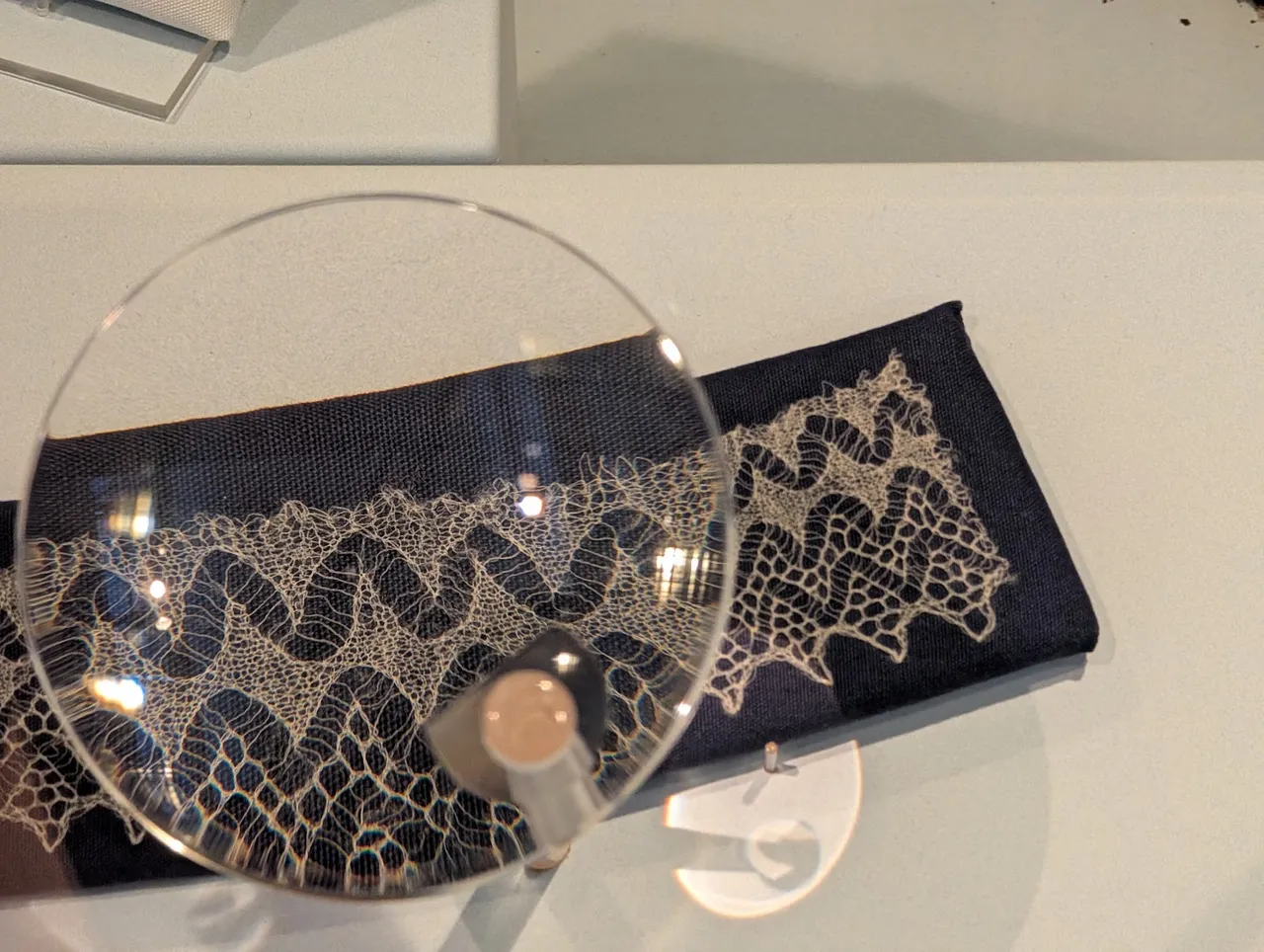
Where was I? Baskets. And feelings. Several of the folks on our trip are themselves artists, and have partners who are also artists. I spent some time on the trip wondering if they get competitive with each other. Do the furniture designer husband and the textile artist wife compete for who can make the best thing? From the outside looking in, seems like no: they collaborate on chairs sometimes, her instagram feed has videos of upholstering chairs he made. I’d like to think people cooperate and support each other (especially people who are a couple, that’s the whole point), but of course history shows us that this is not always the case.

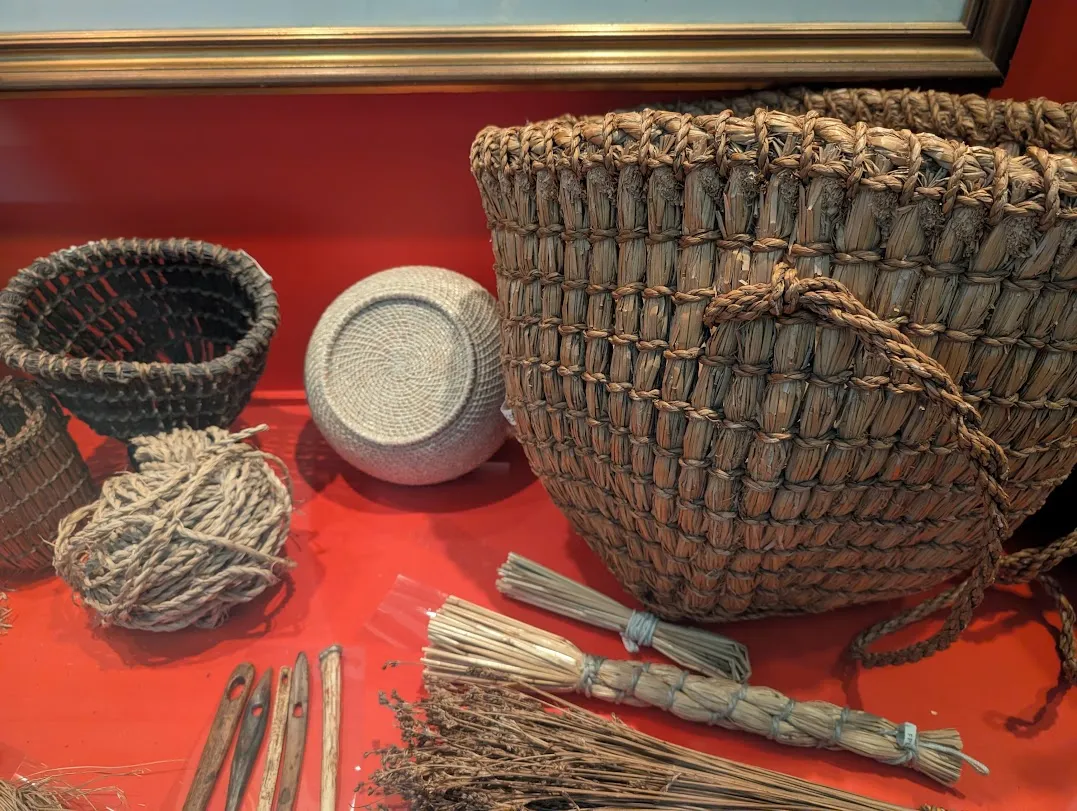
Anyway, while I was writing about our basket making, in a draft post that I ended up deleting, I mentioned someone else on the trip having a beginner’s adroitness that I envied. Her basket (and I can use the pronoun with privacy, as I was one of two dudes on the trip, the other one was the guide/driver up in Shetland) was quite lovely. She’d taken the time to meticulously clean the straw, and had somehow found a way to manipulate it much more dexterously than I could do. Her willow basket was one of the first complete and best made as well. Why would I, someone who had never made a basket before, be jealous of the skills of someone else? She’d not worked in these materials either, but she had skill and produced a lovely object.

I really love making baskets, it turns out. I devoured those lessons. When our teachers were showing a technique, I was always watching, then would immediately go back to my work in progress to apply the new-found knowledge. I was always thinking about ways to use these techniques to materials I would have easier access to when back in California. I also have pretty strong hands, all things considered; my career typing gives me a little more finger endurance than a lot of other folks. I’m not particularly good at the fine control, but my hands can pinch and hold for a while before needing a break. These two factors combined to: I was pretty speedy making the baskets. I was often one of the people who was most ahead, and when the teachers noticed they were like “Wow, Eric’s almost done”. This wasn’t to say that my baskets were good; I was trying to engage deeply with the technique, to practice it, but the baskets themselves, I figured were just the earliest products; no matter how much effort I put into their beauty, I’d still see them as clunky and flawed after a year of basketry. So I sped through, asking for extra instruction in spiral willow weaving, twined coil basketry like how they make the chair backs, and even stitched coil basketry. The teachers, generous souls all, were more than happy to give me even more instruction. I learned so much.
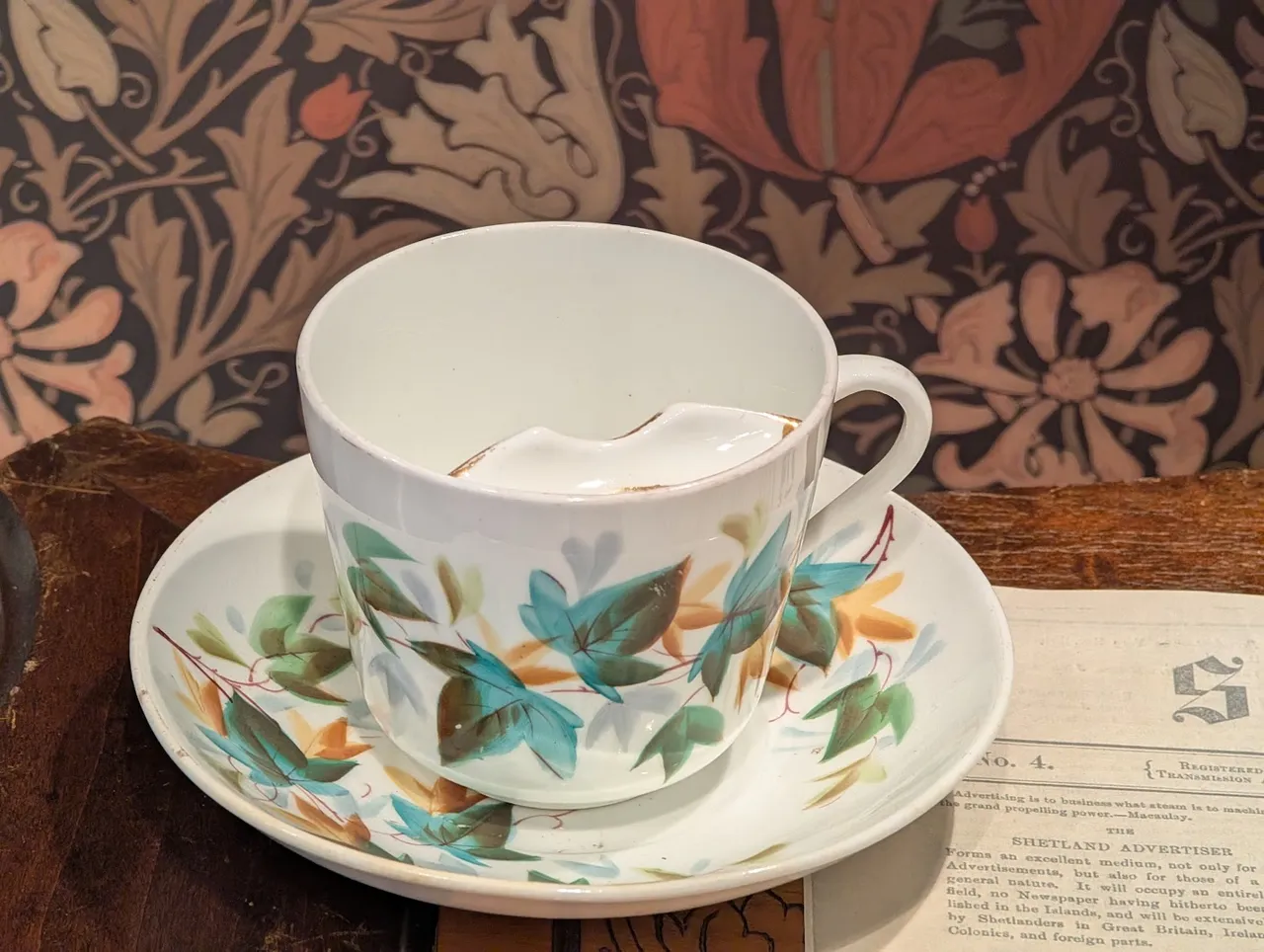
Still, it felt good to be noticed for working quickly. It felt … less good? to see some other baskets and look at mine and think “that’s clunky in comparison, you should have taken more time to clean up that straw in the bundle before jumping in to the twining. In the moment, I was jealous, competitive. I was measuring myself by others’ work and coming up short. I know that this is not productive on so many levels; it’s not my fault that I feel this way, but it is my responsibility to understand and do something about it.
In the pottery studio, I started out as a raw novice. My pots were objectively awful. At some point later, I got a little better at throwing and trimming, enough so I would look around the studio, see other potters’ work, and say, “mine is better”. I’m being honest with you, reader, so please don’t judge me for my feelings. They’re my responsibility and I’m working through them.

Lately, I don’t do that anymore. I see other people’s work and say “wow, that’s gorgeous.” I don’t try to compare it to my own, even my more normal stuff where it’s a plain old vase or mug. I like their stuff, I am proud of my stuff (but see the flaws and understand where I have to learn and practice still). The difference here is that I’ve put enough time in making pottery that I think of myself as a potter. I’m not insecure about my work, I don’t feel like an imposter or a poser the way I used to.

For me (and me alone, everyone’s different I’m sure), competitiveness comes from a place of insecurity. I feel like I’m probably not good enough, so I want to see that at least I’m better than those people. This even manifests in my hobbies. As a socially awkward and insecure D&D player, I struggled to see myself as being a worthy friend to the folks I was sitting at the table with (I know, they invited me, I was clearly worthy, this was a long time ago and pre-therapy so), so I competed. I made the most optimized elven wizard who ever slung a spell, who was unstoppably able to handle all the problems that the DM put in front of them. It wasn’t fun for the other people at the table, and I am sure it sucked to be my DM. Later, I stopped caring about all that and just focused on the sheer joy of improvising a narrative and events with some awesome people. The competitiveness in me is a symptom of insecurity. I can easily lose or recognize that someone else made a more lovely basket than I did, when I realize that I’m just as worthy as an artist as everyone else. I’m here, on this trip, in Scotland with amazing people, and I belong here.
Conversation happens inside — sign in to Overstory to read and write comments.