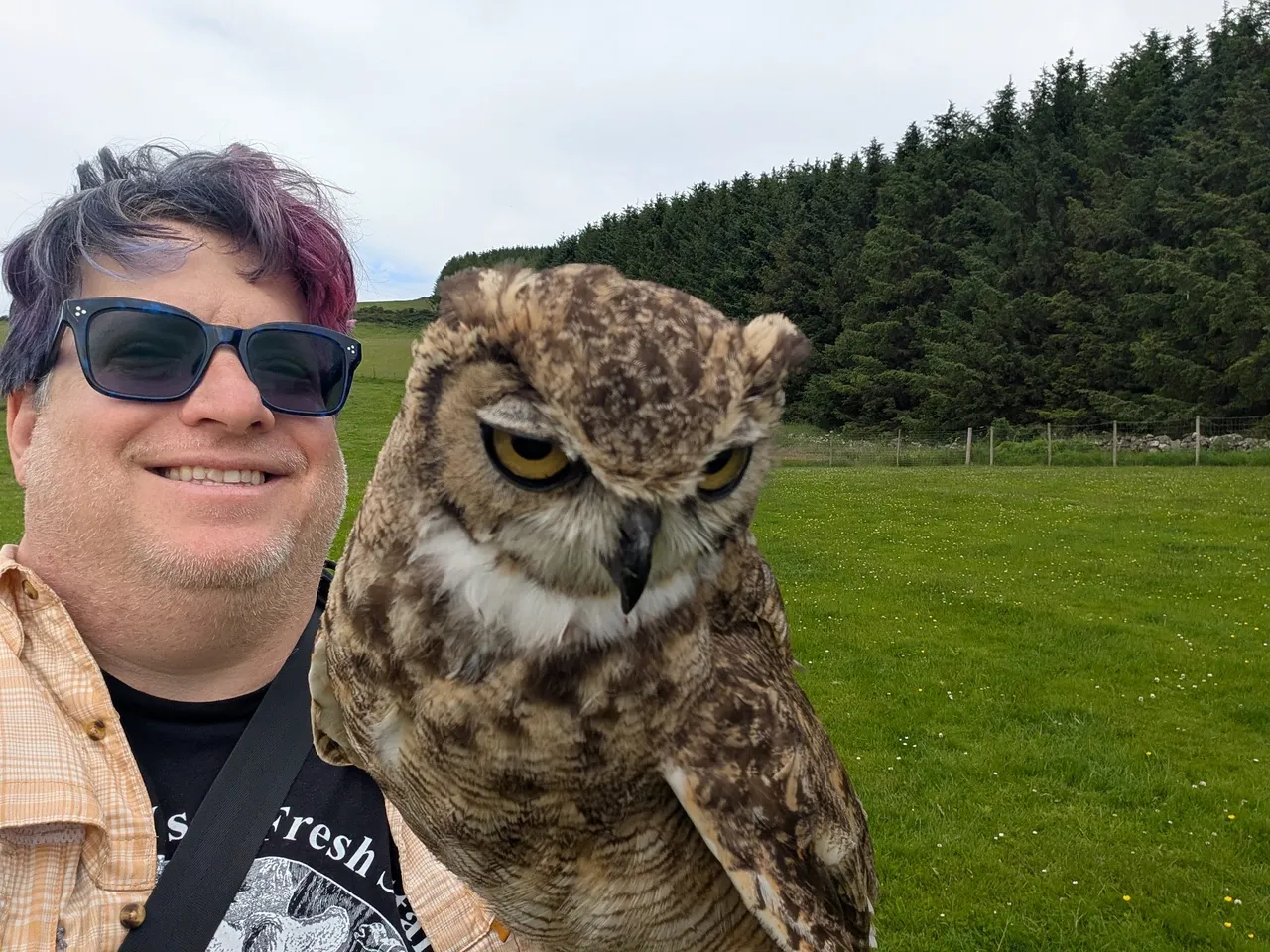
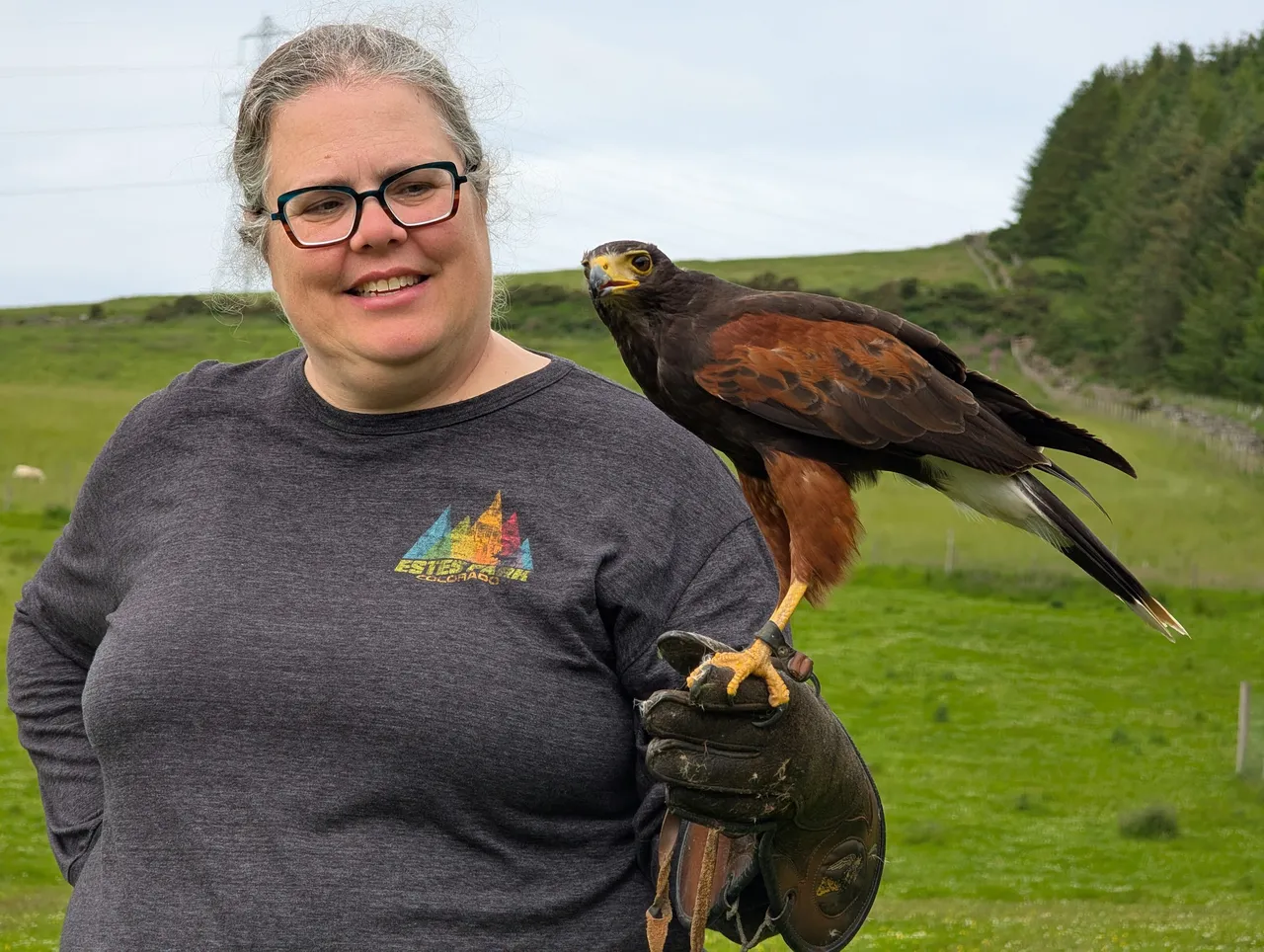
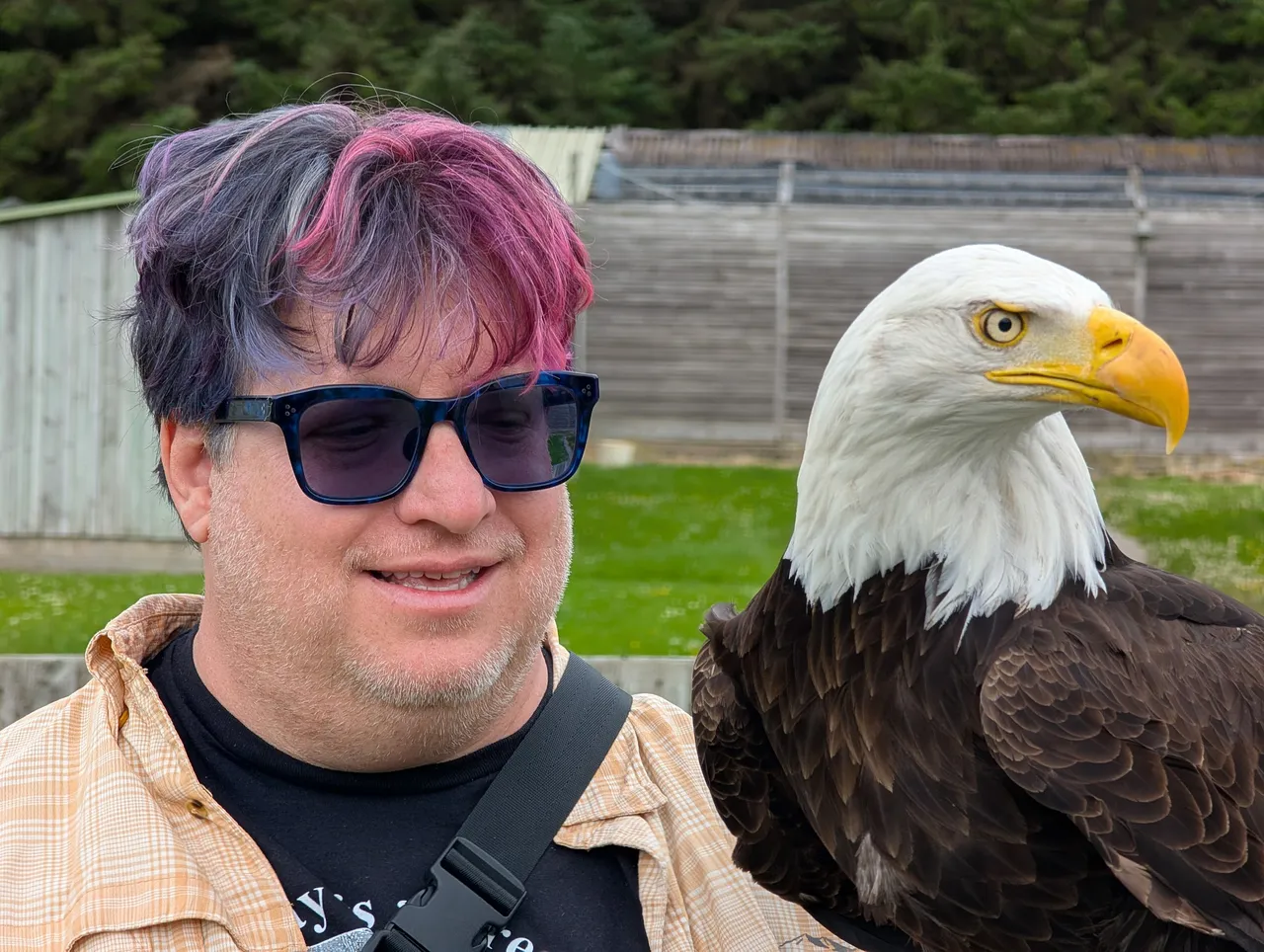
June 22nd: Along the way to Inverness, I beheld a bird.
I’ve been thinking a lot about Scottish tradition, in particular the Highland tradition. Kilts, Tartan, Clans. Mel Gibson shouting Freedom! A lot of that is made up, the real story is also interesting, a little depressing, but super-insightful. A lot of what I’m going to talk about here comes from Wikipedia (start at The Forty-Five and follow rabbit holes as you want) plus asking questions from our guides, so I’m by no means an expert on all of this but I’m feeling confident enough in what I do know to have Some Thoughts.
If you’ve watched or read Outlander, there’s a lot about the Jacobites in there (spoiler alert: I haven’t watched or read Outlander, but Chrissy has, so I’ve got a passing familiarity here). There’s Clans fighting for self-rule or something, or at least to not have a Hanoverian king. The line of Scottish and British kings kind of went: James VI/I (he was the sixth King James of Scotland and became the first King James of Scotland and Britain and stuff), then James VII/II followed him, but he was a Catholic, and nobody wanted a Catholic dynasty on the throne, so they deposed him. His two daughters (the Protestant ones) followed him, but none of them had male heirs, so they kind of ran out. The people of the (not yet called UK) Union of Britain went with a pretty distant cousin who was technically in a different major house, spoke German, and lived in Hanover (before there was a Germany really, but the same basic idea). This is George I. Spoiler alert, he is followed by George II and III (the mad one that lost the colonies). So you kind of know that things are not going to go well for the Jacobites.
The Jacobites (so called because they support James, and I guess James in latin is Jacobus or some thing (some stupid thing) like that), the Jacobites are not entirely Scottish Highlanders (and in fact there’s a lot of Highlanders that support the King). They’re a party of rebels who are interested in installing James and his kids back on the throne. There are English and Irish Jacobites. The French support the Jacobites as well (although they’re also in favor of anything that can weaken the English throne, since they’re fighting all over the continent and about to start fighting in the New World to boot). Notably, James II has sons that are Catholic, and could inherit if they wanted. The key thing here is: this is not about freedom from oppression. It is, rather freedom to oppress differently. The Jacobites want a Catholic on the throne, they love the idea of a hugely powerful king with a divine right.
So by 1745, we have:
The Act of Union was passed both by the English and Scottish parliaments. Joining the two countries was (to the best that can be in this particular age) the will of the people as well as the will of the ruling class.
King George was appointed by the now single parliament, and there was a lot of importance in the fact that the British people appointed their king and the power of the king flows from that parliament.
Given the opportunity, James declines to reinstate the Scottish parliament, further reinforcing the notion that this is about his power, and the power of a King.
Basically, the Jacobites were not freedom-fighters. They were sticklers for the old ways, conservative reactionaries, who wanted to undo the (ever so slight) progress towards parliamentary systems and return to a more authoritarian system. There’s a whole uprising, read the wikipedia about it for more about the whole thing.
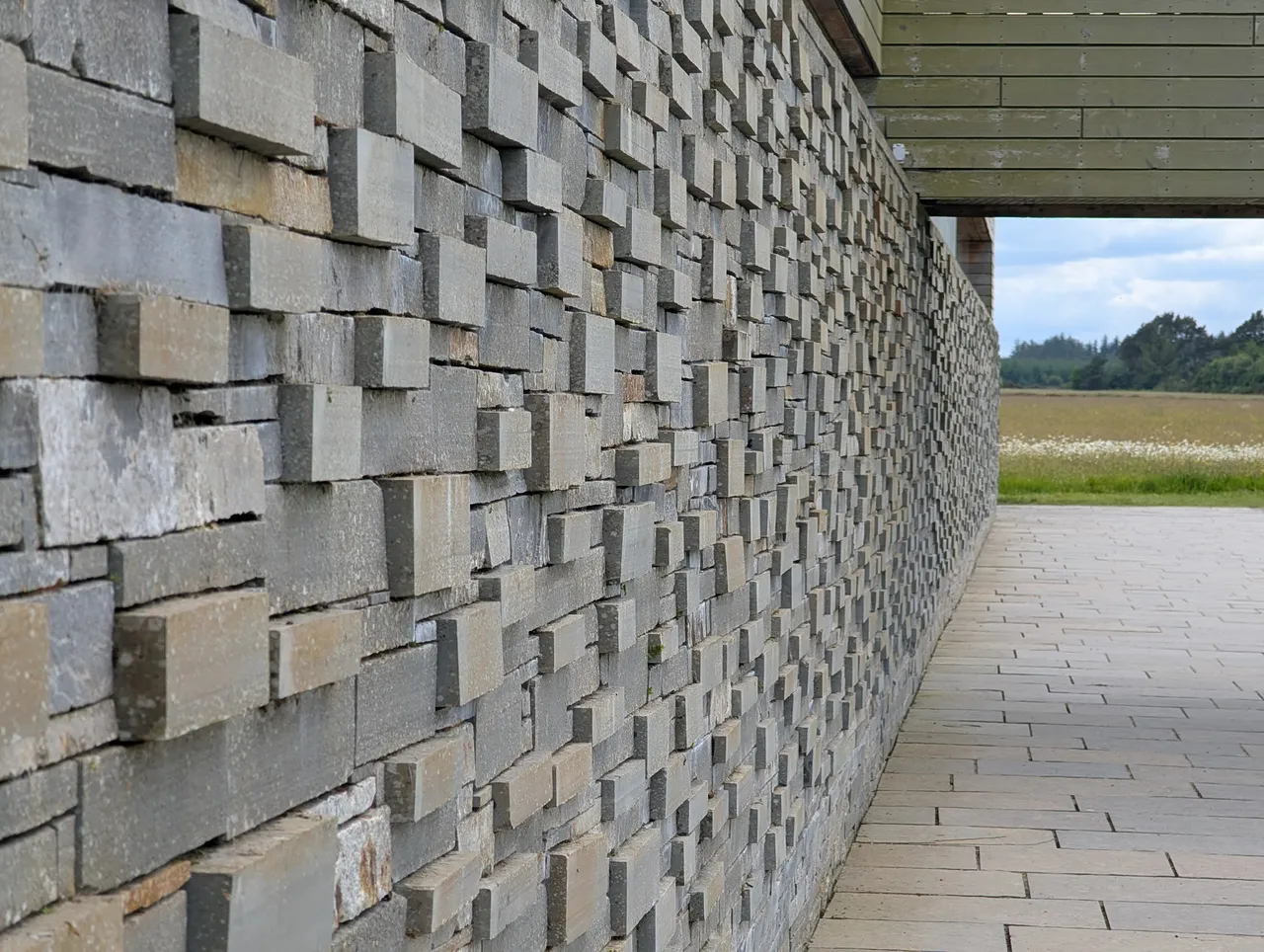
After the battle, the Jacobites uprising is effectively broken. Prince Charles, son of James II, retreats and doesn’t try to win again. In order to punish and prevent future uprisings, Highlanders are more or less slaughtered by the victorious redcoat army. Highland dress is suppressed - no more tartans are allowed to be worn (the kind of hilariously named Disclothing Act of 1747), you can’t carry weapons. The army carries off whatever they can, and quite a few people starve.
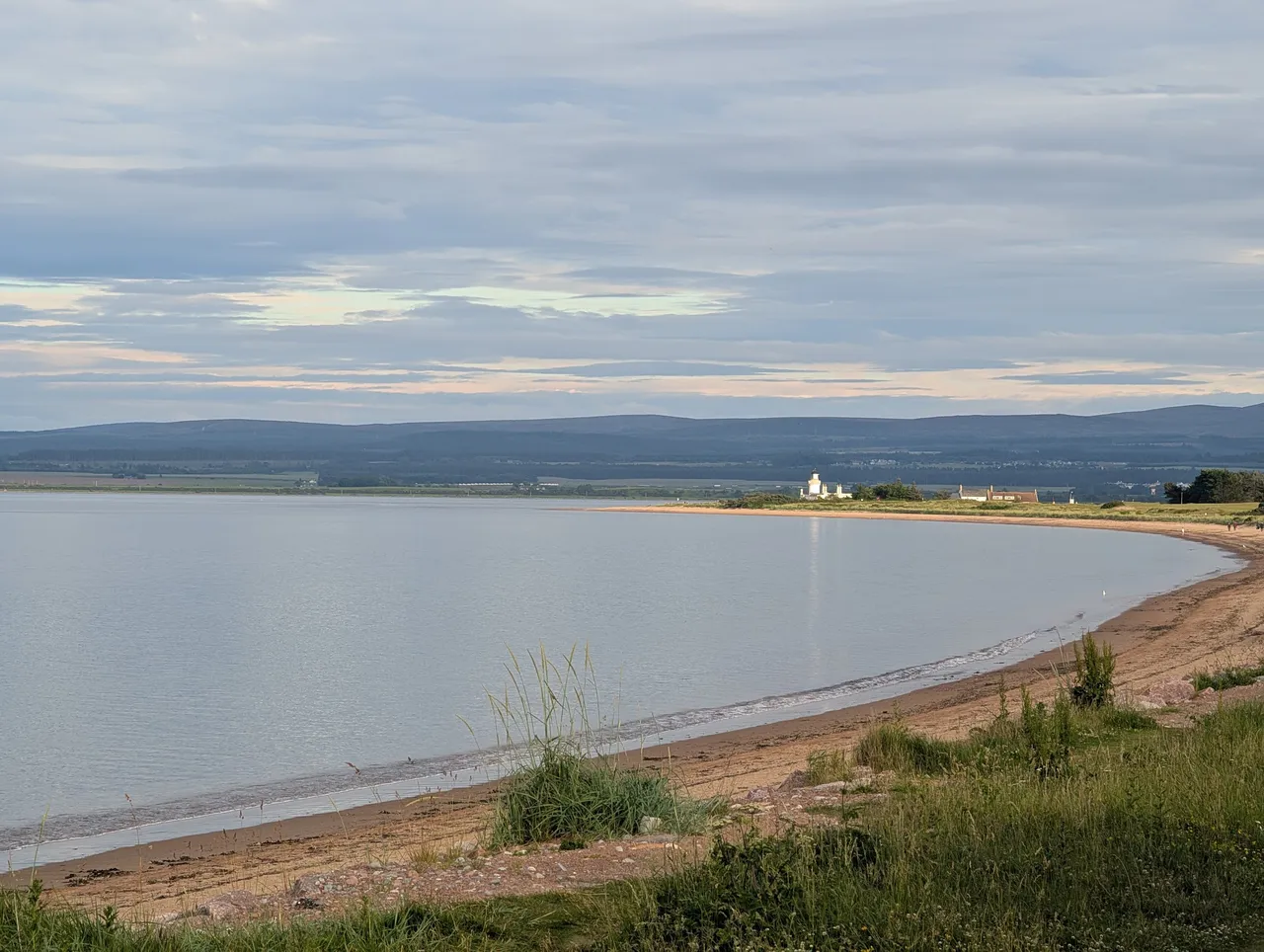
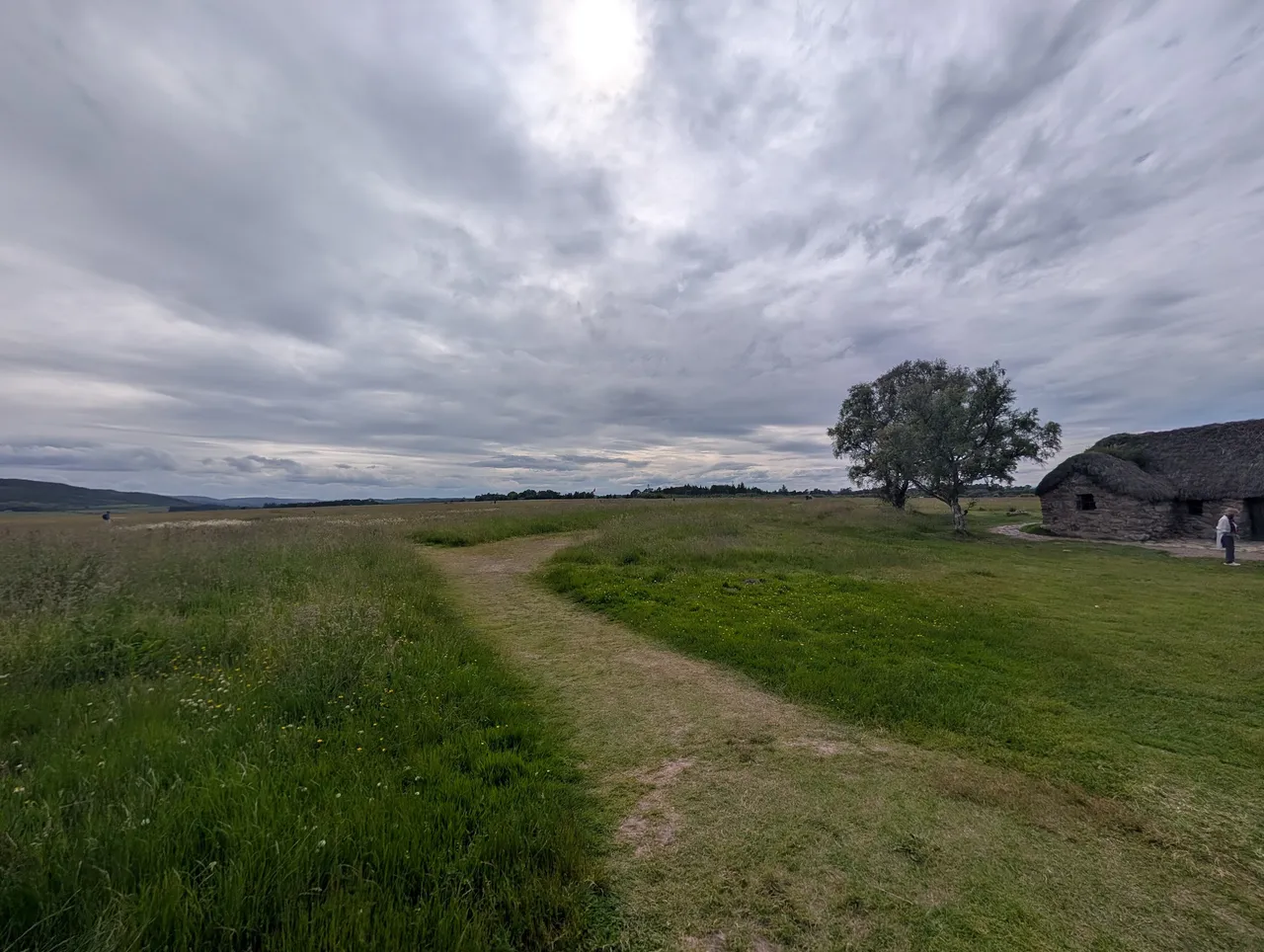
However! All is not lost for Highland Culture. In 1822, Sir Walter Scott encourages all men in Edinburgh to bring back Highlandism (wear a tartan kilt, affect Celtic ways, etc.) in his pamphlet “Hints Addressed to the Inhabitants of Edinburgh” for the royal visit of King George IV. This starts the ball rolling, so by the time Victoria takes the throne in 1837, there’s a mystique and appeal to Highland dress and culture. It is at this time that the notion of Clan Tartan becomes a thing. During the actual Jacobite uprisings, the clan leaders wore plaid, but there weren't specific tartan patterns per clan. For more on this, have a read of Outlander and the Victorian Resurgence of Highland Romanticism. Now there’s tens of thousands of registered tartans. Even Irn-Bru, the national soft drink of Scotland, has a tartan. I’m not making fun of this- I think it is pretty cool, but it’s not exactly historical. During this time is when the named grave markers are put on the Culloden moor, with very little to no historical backing. The Victorians just liked the idea of the warrior clans.
So here we have arrived at what I have been thinking about for days now. What is history, what is mystique, what is role-play, and what does any of this matter? I mean, of course it doesn't really matter. It's not my job to tell people to care or not care about clan tartan. But I am trying to figure out why I am indexing heavily on my McCann heritage (Irish, and yes there is a tartan), instead of the bulk of my heritage which is eastern European. If something was made up, but made up two hundred years ago, can that be enough for a history? We all crave connection and community, so sometimes an interesting lie is better than the truth.
Conversation happens inside — sign in to Overstory to read and write comments.